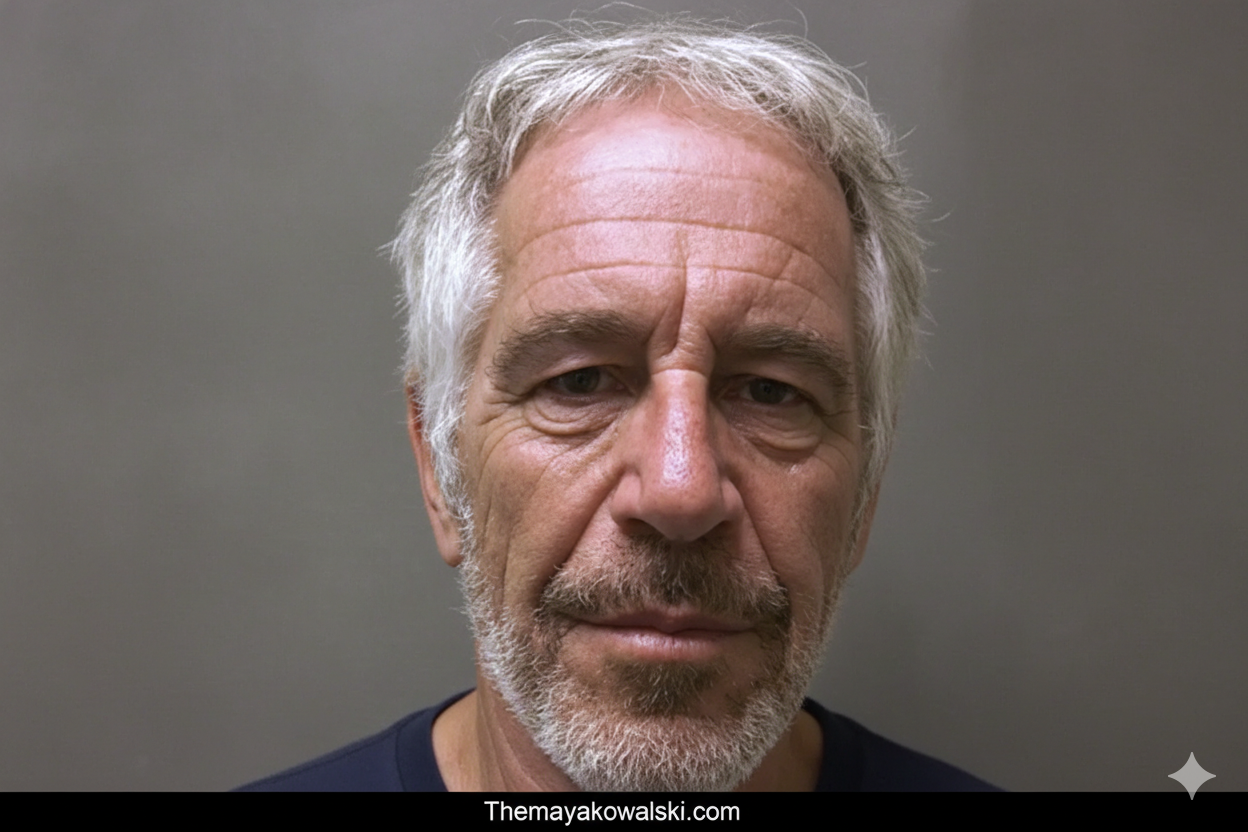
Jeffrey Epstein was an American financier who cultivated relationships with presidents, princes, celebrities, and billionaires while secretly orchestrating a sex trafficking operation involving underage girls. The Epstein scandal exposed systemic failures in the justice system and raised uncomfortable questions about wealth, power, and accountability.
His 2019 arrest brought renewed attention to crimes that authorities had known about for over a decade. The circumstances surrounding Epstein’s death in a Manhattan jail cell remain one of the most controversial aspects of his story, fueling widespread skepticism about the official suicide ruling. Understanding who Epstein was, how he operated, and why his case still matters requires examining the facts behind the headlines.
Table of Contents
Quick Bio/Wiki
| Category | Details |
|---|---|
| Full Name | Jeffrey Edward Epstein |
| Date of Birth | January 20, 1953 |
| Place of Birth | Brooklyn, New York, USA |
| Date of Death | August 10, 2019 |
| Place of Death | Metropolitan Correctional Center, Manhattan |
| Occupation | Financier, Convicted Sex Offender |
| Known For | Sex trafficking, elite connections, mysterious death |
| Criminal Convictions | 2008 solicitation of prostitution (Florida), 2019 federal charges (pending at death) |
| Associated Individuals | Ghislaine Maxwell, Prince Andrew, Bill Clinton, Donald Trump |
| Estimated Net Worth | $577 million (at death) |
| Notable Properties | Little St. James Island, Manhattan mansion, New Mexico ranch, Paris apartment |
Who is Epstein? Early Life
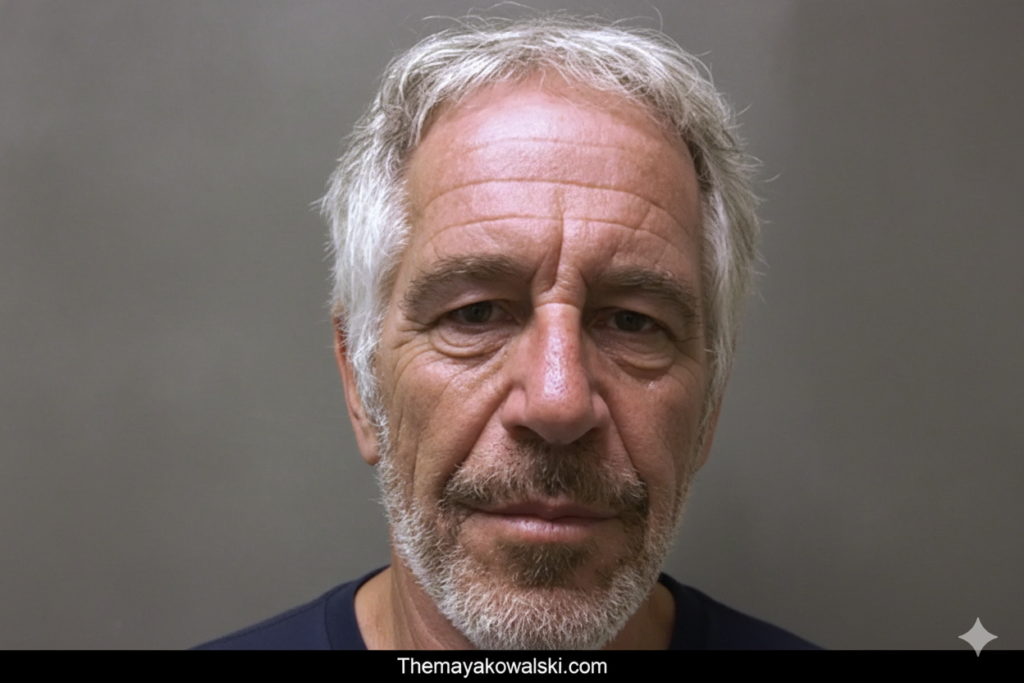
Jeffrey Edward Epstein was born on January 20, 1953, in Brooklyn, New York, to a working-class Jewish family. His father, Seymour, worked for the New York City Parks Department, while his mother, Paula, was a school aide. Epstein grew up in the Coney Island neighborhood before his family moved to the middle-class area of Sea Gate. His early life was unremarkable, though he showed aptitude in mathematics during his school years.
Epstein attended Lafayette High School and later enrolled at Cooper Union before transferring to the Courant Institute of Mathematical Sciences at New York University. However, he left the university without earning a degree. Despite his lack of formal credentials, Epstein’s background in mathematics would later become central to his professional identity as a financier, though the specifics of his financial expertise remained vague throughout his career.
His upbringing in Brooklyn’s modest neighborhoods contrasted sharply with the elite circles he would later infiltrate. Understanding Epstein’s background reveals little about the predatory behavior that would define his adult life, but it does highlight his ability to reinvent himself and gain access to powerful networks despite his ordinary beginnings.
Rise to Wealth and Power
Epstein’s ascent into the world of wealth and elite connections began in the 1970s when he secured a teaching position at the prestigious Dalton School in Manhattan, despite lacking a college degree. At Dalton, he taught mathematics and physics from 1974 to 1976. It was during this period that he reportedly met and impressed the father of a student, leading to connections that would launch his finance career.
In 1976, Epstein transitioned to Wall Street, joining the investment bank Bear Stearns. He quickly rose through the ranks, becoming a limited partner by 1980. However, his tenure at Bear Stearns ended abruptly in 1981, reportedly over violations of company policies, though the exact reasons remain unclear. This departure did not hinder his trajectory; instead, it marked the beginning of his independent career as a financier and money management consultant.
By 1982, Epstein established his own financial management firm, reportedly serving only billionaire clients with minimum investments of one billion dollars. His business model remained opaque throughout his career, with few details about his actual clients or investment strategies. Despite this lack of transparency, Epstein accumulated significant wealth and cultivated relationships with some of the world’s most powerful individuals, including politicians, royalty, academics, and business magnates.
His connections included former President Bill Clinton, President Donald Trump, Prince Andrew of the British royal family, retail magnate Les Wexner, and numerous other influential figures. Epstein leveraged these elite connections to enhance his social status, hosting gatherings at his multiple luxurious properties and positioning himself as a philanthropist interested in science and education. The mystery surrounding his actual financial operations only added to his mystique among the elite circles he frequented.
Jeffrey Epstein’s Criminal Cases and Allegations
The criminal charges against Jeffrey Epstein centered on sex trafficking and the sexual abuse of minors. Allegations against him first emerged publicly in 2005, though victims later reported that his abusive behavior began much earlier, potentially dating back to the 1990s. The accusations described a systematic pattern of recruiting underage girls, many from vulnerable backgrounds, to provide sexual massages at his properties in Palm Beach, Florida, New York, and elsewhere.
Epstein allegedly paid victims hundreds of dollars and encouraged them to recruit other young girls, creating a pyramid-style referral system that expanded his trafficking network. The allegations painted a picture of calculated predation, with Epstein exploiting the financial desperation and youth of his victims. Multiple women came forward over the years, describing how they were abused as teenagers, some as young as fourteen years old.
2005–2008 Investigation and Plea Deal
In March 2005, the Palm Beach Police Department began investigating Epstein after receiving reports that he had sexually abused a fourteen-year-old girl. The investigation uncovered evidence of numerous additional victims. Police identified more than thirty girls who had allegedly been abused by Epstein at his Palm Beach mansion. The FBI subsequently opened a federal investigation into potential sex trafficking violations.
Despite overwhelming evidence and testimony from multiple victims, Epstein’s case took a controversial turn. In 2008, Alexander Acosta, then the U.S. Attorney for the Southern District of Florida, negotiated a non-prosecution agreement with Epstein’s high-powered legal team. Under this deal, federal charges were dropped in exchange for Epstein pleading guilty to two state prostitution charges: soliciting an underage prostitute and procuring a person under eighteen for prostitution.
The plea deal was extraordinarily lenient. Epstein received an eighteen-month jail sentence, of which he served only thirteen months. More controversially, he was granted work release privileges for up to twelve hours a day, six days a week, allowing him to leave the jail and work from his office in West Palm Beach. The agreement also granted immunity to potential co-conspirators and was kept secret from victims, violating the Crime Victims’ Rights Act.
This sweetheart deal sparked outrage when details became public years later. Critics argued that Epstein’s wealth and connections had allowed him to escape meaningful accountability for serious federal crimes. The agreement became a symbol of a two-tiered justice system where the rich and powerful receive different treatment from ordinary citizens.
2019 Arrest and Federal Charges
On July 6, 2019, Jeffrey Epstein was arrested at Teterboro Airport in New Jersey upon returning from Paris. Federal prosecutors in the Southern District of New York charged him with sex trafficking of minors and conspiracy to commit sex trafficking. The indictment alleged that between 2002 and 2005, Epstein sexually exploited and abused dozens of minor girls at his residences in Manhattan and Palm Beach.
The charges described how Epstein created a network designed to enable his sexual abuse of underage girls. According to prosecutors, he recruited victims as young as fourteen, enticed them to his residences under the pretense of giving paid massages, and then sexually abused them. Some victims were also paid to recruit additional girls, expanding his supply of victims.
Unlike the 2008 case, federal prosecutors in 2019 sought to hold Epstein fully accountable. He was denied bail and ordered to remain in custody at the Metropolitan Correctional Center in Manhattan pending trial. Prosecutors cited him as a flight risk given his wealth, private planes, and international properties. The case was expected to be one of the most closely watched criminal trials in recent history, potentially exposing the full extent of Epstein’s criminal network and any complicit associates.
However, Epstein would never face trial. His death in custody just weeks after his arrest left many questions unanswered and denied victims their day in court.
Ghislaine Maxwell and Epstein’s Network
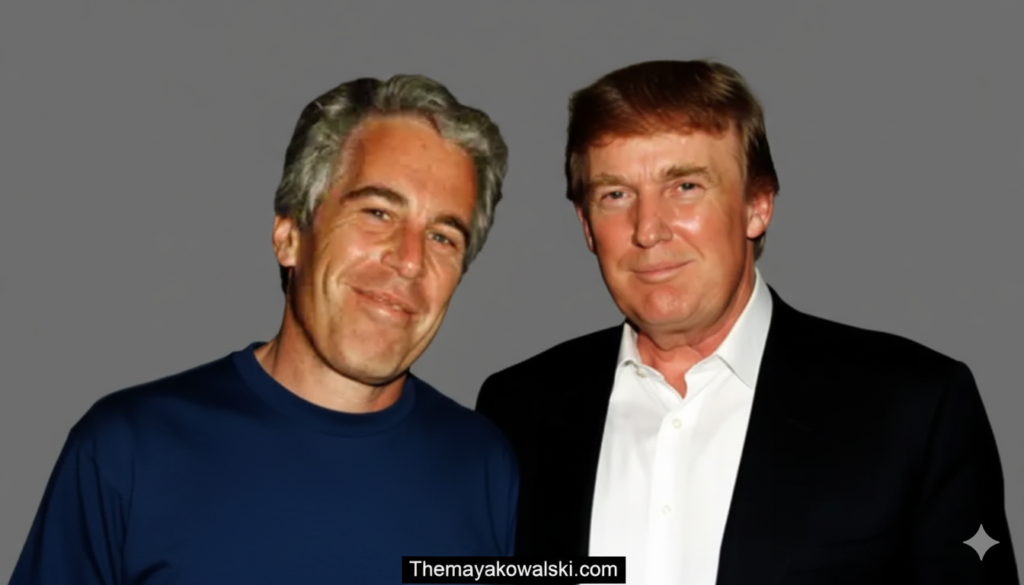
Ghislaine Maxwell played a central role in Jeffrey Epstein’s criminal enterprise. The British socialite and daughter of disgraced media tycoon Robert Maxwell became Epstein’s close associate and alleged accomplice in the 1990s. Multiple victims identified Maxwell as integral to Epstein’s trafficking operation, describing her as both a recruiter and participant in the abuse.
According to court documents and victim testimony, Maxwell approached young girls in public places like schools, parks, and shopping areas, befriending them and eventually introducing them to Epstein. Her role as a sophisticated older woman allegedly provided a veneer of legitimacy and safety that helped lure vulnerable teenagers into Epstein’s orbit. Some victims reported that Maxwell also participated directly in sexual abuse and was present during encounters with Epstein.
The relationship between Ghislaine Maxwell and Jeffrey Epstein was complex. They were romantically involved in the early 1990s, and though that relationship ended, they remained close companions and business associates for decades. Maxwell managed several of Epstein’s properties and frequently appeared with him at social events, helping facilitate his connections with elite circles.
After Epstein’s 2019 arrest and death, Maxwell went into hiding. Federal authorities arrested her in July 2020 at a secluded property in New Hampshire. She faced charges including conspiracy to entice minors to travel to engage in illegal sex acts, transportation of a minor with intent to engage in criminal sexual activity, and perjury. The charges covered conduct from 1994 to 1997.
In December 2021, a federal jury convicted Maxwell on five of six counts, including sex trafficking of minors. The verdict provided some measure of justice for victims who had waited decades for accountability. In June 2022, she was sentenced to twenty years in federal prison. Her conviction confirmed what victims had long stated: Epstein did not act alone, and his trafficking network involved sophisticated recruitment and manipulation tactics facilitated by trusted associates.
Epstein Island and Properties
Jeffrey Epstein’s real estate portfolio reflected his immense wealth and provided venues for his criminal activities. His properties became central to investigations and public fascination with his case, particularly his private island in the Caribbean, known colloquially as Epstein Island.
Little St. James, a seventy-acre island in the U.S. Virgin Islands, became the most infamous of Epstein’s holdings. Epstein purchased the private island in 1998 for approximately seven million dollars. He developed the property extensively, constructing a main residence, guest houses, and various other structures, including a mysterious temple-like building that sparked numerous conspiracy theories. The island featured a helipad, private dock, and complete privacy from public view.
Court documents and victim testimony revealed that Little St. James served as a location where Epstein trafficked and abused young girls. Victims described being flown to the island on Epstein’s private planes and being subjected to abuse there.
The island’s isolation made it an ideal location for criminal activity away from law enforcement scrutiny. Residents and former employees reported seeing young girls arriving by plane and boat, fueling suspicions that were later confirmed through legal proceedings.
Beyond Little St. James, Epstein owned a substantial property portfolio. His Manhattan mansion, a seven-story townhouse on East 71st Street, was one of the largest private residences in New York City, valued at approximately seventy-seven million dollars. This property also served as a location for abuse, according to victim statements. Epstein’s Palm Beach mansion in Florida was the site of the initial 2005 police investigation and featured prominently in early allegations.
He also owned a ranch in New Mexico spanning thousands of acres, a Paris apartment near the Arc de Triomphe, and other properties. These multiple residences allowed Epstein to move victims across state and international lines, forming the basis for federal sex trafficking charges. The properties represented not just wealth but strategic assets in his criminal enterprise, providing privacy, legitimacy, and the means to transport victims.
How Did Jeffrey Epstein Die?
On August 10, 2019, Jeffrey Epstein was found unresponsive in his cell at the Metropolitan Correctional Center in Manhattan. He was transported to a nearby hospital, where he was pronounced dead. The official cause of death was suicide by hanging. However, the circumstances surrounding Epstein’s death immediately sparked widespread skepticism, conspiracy theories, and legitimate questions about institutional failures.
Official Findings
The New York City Medical Examiner’s Office conducted an autopsy and determined that Epstein died by suicide. The official report stated he hanged himself using a bedsheet attached to the top bunk of his jail cell. The autopsy found multiple fractures in Epstein’s neck, including of the hyoid bone, which some experts noted was more common in homicidal strangulation than suicide by hanging, particularly in older individuals. However, the medical examiner maintained that such fractures can occur in suicides and stood by the suicide ruling.
Investigations into the jail conditions revealed shocking failures in protocol. Epstein had been placed on suicide watch following an apparent suicide attempt or assault on July 23, 2019, but was removed from this heightened supervision just days later. On the night of his death, the two correctional officers assigned to check on him every thirty minutes allegedly fell asleep and failed to conduct required rounds for approximately three hours. They later falsified records to cover up their negligence.
Video surveillance that should have captured the area outside Epstein’s cell was reportedly unusable due to technical malfunctions. The Metropolitan Correctional Center had a history of staffing shortages, overcrowding, and poor conditions. Both guards working the night of Epstein’s death were on overtime shifts, with one forced to work mandatory overtime.
The facility’s warden was reassigned, and the two guards were arrested and charged with falsifying records and conspiracy, though charges were eventually dropped after they completed community service and cooperated with investigators. The institutional failures were so egregious that they undermined public confidence in the official suicide ruling, regardless of its accuracy.
Public Doubts and Controversies
The circumstances of Epstein’s death fueled widespread skepticism and conspiracy theories. Given his connections to powerful individuals, his potential testimony against others involved in his crimes, and the timing of his death while facing serious federal charges, many questioned whether he had actually killed himself or had been murdered to prevent him from revealing compromising information about influential people.
Public doubts centered on several factors: the convenient timing of his death before trial, the surveillance failures, the unusual injuries found during the autopsy, the removal from suicide watch, and the sleeping guards. The phrase “Epstein didn’t kill himself” became an internet meme and cultural phenomenon, reflecting widespread public distrust of the official narrative.
However, it is important to distinguish between legitimate questions about institutional failures and evidence-free speculation. The Metropolitan Correctional Center’s documented problems with understaffing, poor conditions, and lack of proper oversight provide a plausible explanation for how a high-profile inmate could die by suicide despite being in federal custody. The facility had a history of similar failures.
Federal investigations, including by the Justice Department’s Inspector General, concluded that Epstein’s death resulted from institutional failures rather than foul play. No credible evidence has emerged supporting murder theories. Nonetheless, the unanswered questions and documented failures have left many aspects of the case feeling incomplete, contributing to ongoing controversy and speculation.
Jeffrey Epstein Net Worth at the Time of Death
Determining Jeffrey Epstein’s exact net worth proved complex due to the opaque nature of his financial operations. At the time of his death in August 2019, court filings related to his estate indicated assets worth approximately five hundred seventy-seven million dollars. This figure was based on disclosures made during his bail hearing and subsequent estate proceedings.
Epstein’s assets included his extensive property portfolio valued at hundreds of millions of dollars: the Manhattan mansion worth approximately seventy-seven million dollars, the Little St. James island, his Palm Beach residence, the New Mexico ranch, properties in France, and other holdings. He also owned substantial cash accounts, investment holdings, aircraft, including private jets and helicopters, vehicles, art collections, and other personal property.
Shortly before his death, Epstein transferred ownership of his two private islands in the U.S. Virgin Islands to a corporate entity, raising questions about asset protection strategies. After his death, his estate was used to establish a victim compensation fund, which has distributed hundreds of millions of dollars to women who came forward with claims of abuse.
The source of Epstein’s wealth remained mysterious throughout his life and even after his death. While he claimed to manage money for billionaires, very few clients were ever publicly identified. His most well-known financial relationship was with Leslie Wexner, the founder of L Brands (which included Victoria’s Secret), who gave Epstein extensive power of attorney over his financial affairs. The exact services Epstein provided to Wexner and any other clients remained largely undisclosed.
The Epstein Files and Ongoing Impact
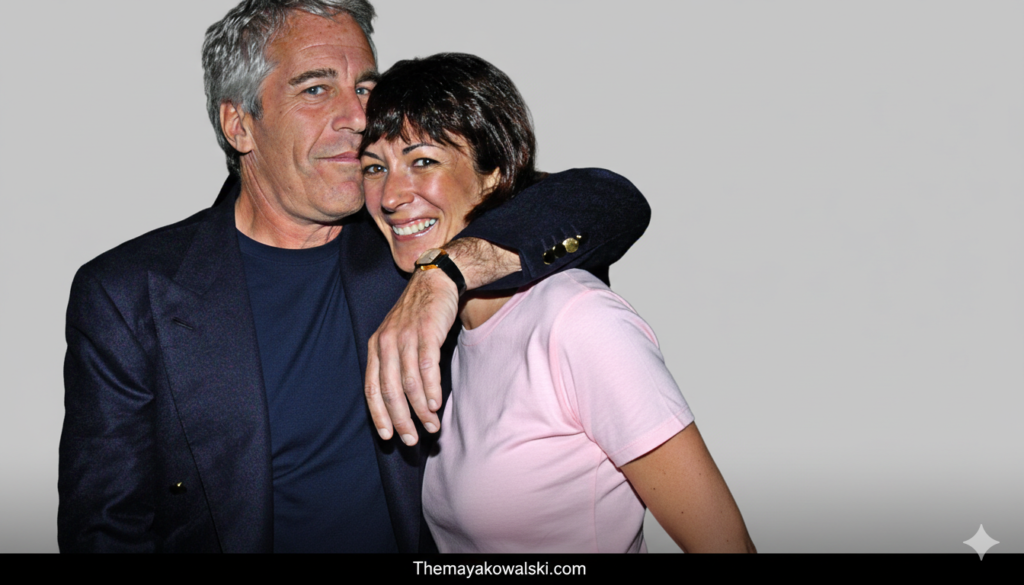
The legal proceedings surrounding Jeffrey Epstein and Ghislaine Maxwell generated thousands of pages of court documents that have been unsealed over time, providing insight into the scope of his criminal activities and his network of associates. These documents, often referred to as the Epstein files, have been released through various legal mechanisms, including public records requests, appeals by media organizations, and court orders requiring unsealing.
In 2019, approximately two thousand pages of documents from a 2015 defamation lawsuit filed by victim Virginia Giuffre against Ghislaine Maxwell were unsealed. These documents contained depositions, witness statements, and other materials detailing allegations of abuse and naming individuals who allegedly had connections to Epstein. The release sparked significant media coverage and public interest.
Additional document releases occurred in subsequent years as courts ordered further unsealing of materials from various cases. In 2024, federal courts released more documents related to Epstein’s activities, including the names of individuals mentioned in various contexts within the legal proceedings. These releases were carefully conducted to balance public interest with privacy concerns and legal protections for individuals who were merely mentioned without specific allegations against them.
The Epstein files revealed the systematic nature of his trafficking operation, the manipulation tactics used to recruit victims, and the extensive efforts made by Epstein and his associates to conceal their activities. Court documents showed how victims were recruited from vulnerable circumstances, often from broken homes or financial hardship, and were gradually manipulated into increasingly abusive situations.
Ongoing investigations continue in various jurisdictions. While Epstein’s death prevented his prosecution, authorities have pursued other individuals allegedly involved in his criminal enterprise. Beyond Maxwell’s conviction, investigations have examined financial enablers, staff members at his properties, and others who may have facilitated his crimes. Several civil lawsuits filed by victims against Epstein’s estate and associated entities have proceeded, seeking financial damages and accountability.
The impact of the Epstein scandal extends beyond criminal justice. It has prompted renewed discussions about how wealth and power can shield individuals from accountability, the importance of believing and supporting abuse victims, and the need for reforms in how sex trafficking cases are handled by law enforcement and prosecutors.
Why Jeffrey Epstein Still Matters Today
The Jeffrey Epstein case remains culturally and legally significant years after his death for several reasons. First, it exposed profound failures in the criminal justice system. The 2008 plea deal demonstrated how wealth and high-powered legal representation can result in dramatically different outcomes for the accused. This case study in two-tiered justice continues to fuel discussions about legal reform and equal application of the law.
Second, the Epstein scandal changed public conversations about sexual abuse, particularly involving minors and power dynamics. The case illustrated how traffickers exploit vulnerable young people and how systems can fail victims repeatedly. The courage of survivors who came forward despite enormous personal cost has inspired broader movements supporting abuse survivors and pushing for accountability.
Third, the case highlighted the importance of investigative journalism and legal persistence. The Miami Herald’s 2018 investigative series revived public attention to Epstein’s crimes and the controversial 2008 plea deal, leading directly to renewed federal prosecution. This demonstrates the continued relevance of aggressive journalism in holding powerful figures accountable.
Fourth, questions about Epstein’s network persist. While many individuals photographed with Epstein or listed in his contact books have faced public scrutiny, being associated with him does not automatically imply involvement in or knowledge of his crimes. However, the case has prompted important discussions about social accountability, due diligence in professional relationships, and the responsibilities of those who move in elite circles.
Finally, the unanswered questions surrounding his death, the extent of his criminal network, and potential co-conspirators mean the Epstein story remains incomplete. This unresolved nature contributes to ongoing public interest and serves as a reminder of how complex criminal networks can operate with impunity for years when protected by wealth and influence.
Key Facts About Jeffrey Epstein (Quick Summary)
| Fact Category | Details |
|---|---|
| Full Name | Jeffrey Edward Epstein |
| Date of Birth | January 20, 1953 |
| Place of Birth | Brooklyn, New York |
| Date of Death | August 10, 2019 (age 66) |
| Cause of Death | Suicide by hanging (official ruling) |
| Occupation | Financier, money manager |
| Criminal Charges | Sex trafficking of minors, conspiracy to commit sex trafficking |
| 2008 Conviction | Solicitation of prostitution, procuring an underage person for prostitution |
| 2008 Sentence | 18 months (served 13 months with work release) |
| 2019 Status | Arrested on federal charges, died in custody before trial |
| Known Associates | Ghislaine Maxwell, Prince Andrew, Bill Clinton, Donald Trump, Leslie Wexner |
| Primary Properties | Little St. James Island (Virgin Islands), Manhattan mansion, Palm Beach estate |
| Estimated Net Worth | Approximately $577 million at death |
| Victims | Dozens of identified victims, potentially many more unreported |
| Legacy | Symbol of justice system failures, ongoing investigations into his network |
Frequently Asked Questions (FAQ)
Who was Jeffrey Epstein?
Jeffrey Epstein was an American financier who became a convicted sex offender. He cultivated relationships with powerful and wealthy individuals while secretly operating a sex trafficking network that exploited dozens of underage girls. Despite his 2008 conviction and lenient sentence, he continued his activities until his 2019 arrest on federal sex trafficking charges. He died in jail before standing trial.
What crimes was Jeffrey Epstein accused of?
Epstein was accused of sex trafficking minors, sexual abuse of underage girls, and conspiracy to commit sex trafficking. Allegations described how he recruited girls as young as fourteen, brought them to his properties under pretenses, and sexually abused them. He allegedly paid victims to recruit additional girls, creating an expanding network of exploitation that operated across multiple states and countries.
Was Jeffrey Epstein convicted?
Yes, Epstein was convicted in 2008 in Florida on state charges of soliciting prostitution from a minor and procuring an underage person for prostitution. He received a controversial plea deal that allowed him to serve only thirteen months with work release privileges. In 2019, he was arrested on federal sex trafficking charges but died before standing trial on those charges.
How did Jeffrey Epstein die?
Jeffrey Epstein died on August 10, 2019, in his cell at the Metropolitan Correctional Center in Manhattan. The official ruling from the medical examiner was suicide by hanging. However, significant failures in jail protocols, including sleeping guards, falsified records, and malfunctioning surveillance equipment, fueled widespread skepticism about the circumstances. Despite conspiracy theories, federal investigations concluded his death resulted from institutional failures rather than foul play.
Who was connected to Jeffrey Epstein?
Epstein cultivated relationships with numerous powerful individuals, including former presidents Bill Clinton and Donald Trump, Britain’s Prince Andrew, retail billionaire Leslie Wexner, and various celebrities, academics, and business leaders. Being photographed with Epstein or appearing in his contact books does not automatically indicate involvement in or knowledge of his crimes. However, some individuals, most notably Ghislaine Maxwell, were directly implicated in his criminal activities. Maxwell was convicted of sex trafficking in 2021 and sentenced to twenty years in prison.
Conclusion
Jeffrey Epstein’s story represents one of the darkest chapters in recent American criminal justice history. His crimes devastated countless young lives while exposing how wealth, power, and connections can enable predators to operate with impunity for years. The 2008 plea deal stands as a stark example of justice denied, while his 2019 death before trial left many questions permanently unanswered.
Ghislaine Maxwell’s conviction provided some accountability, but the full extent of Epstein’s network and the systemic failures that protected him continue to demand scrutiny. Understanding this case remains essential for advocating for victims, reforming broken systems, and ensuring that power never again shields such heinous crimes from justice.