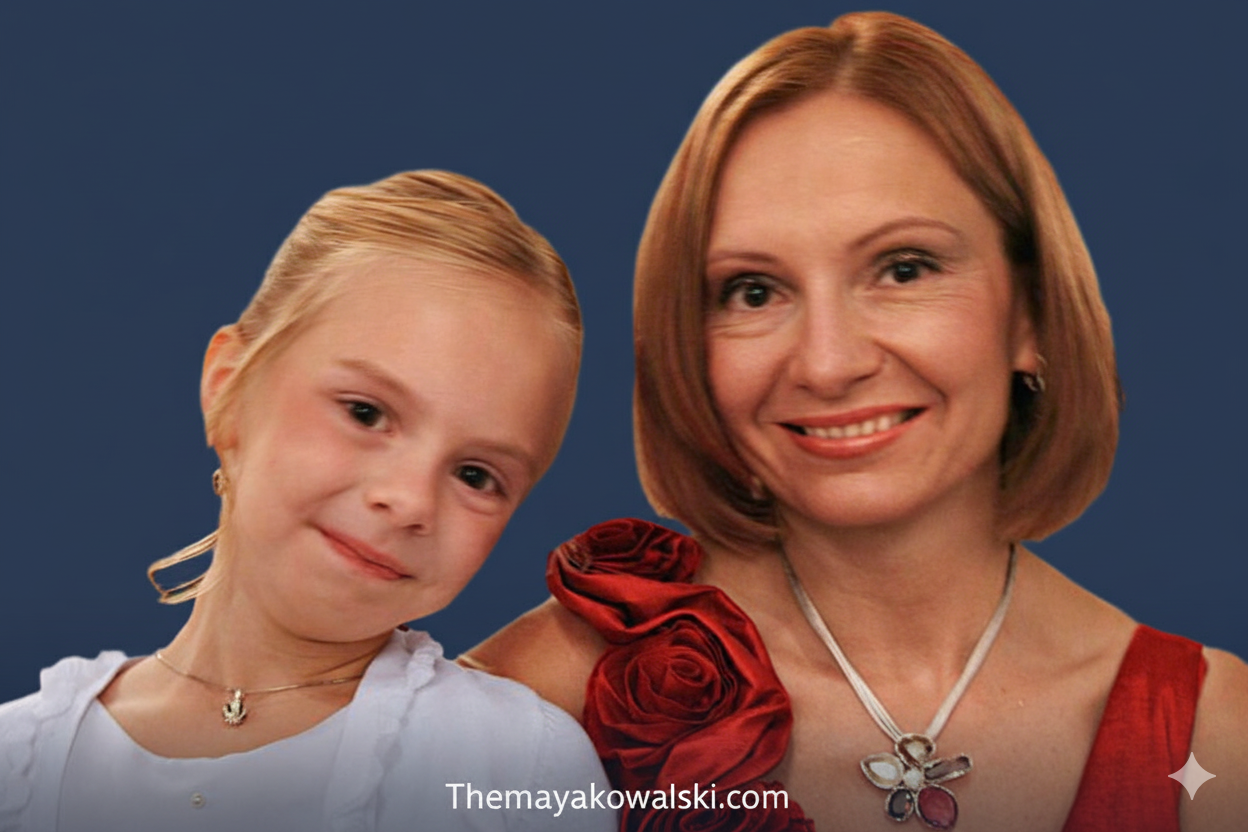
Maya Kowalski became a household name after her story was featured in the Netflix documentary “Take Care of Maya,” but many people still ask: What happened to Maya Kowalski? The Maya Kowalski case represents one of the most controversial medical custody battles in recent American history, involving allegations of medical abuse, a mother’s tragic suicide, and a landmark legal battle that continues to unfold in 2026.
Who is Maya Kowalski? She’s a young woman whose childhood was forever changed when Johns Hopkins All Children’s Hospital took her into custody, separating her from her family for 87 days. This separation ultimately contributed to her mother, Beata Kowalski‘s, death by suicide. The Kowalski family‘s fight for justice has captured international attention, raising critical questions about parental rights, medical authority, and child protective services.
Why does the Kowalski case still matter in 2026? Because the legal battle isn’t over. In October 2025, an appeals court reversed the historic $213 million verdict against Johns Hopkins, ordering a new trial. This means the Kowalski family faces another round of legal proceedings, keeping their story in the spotlight.
The case has also sparked nationwide conversations about medical kidnapping, chronic pain treatment in children, and the balance between protecting children and preserving family unity.
Table of Contents
Background: Understanding the Kowalski Family Story
Who is Maya Kowalski?
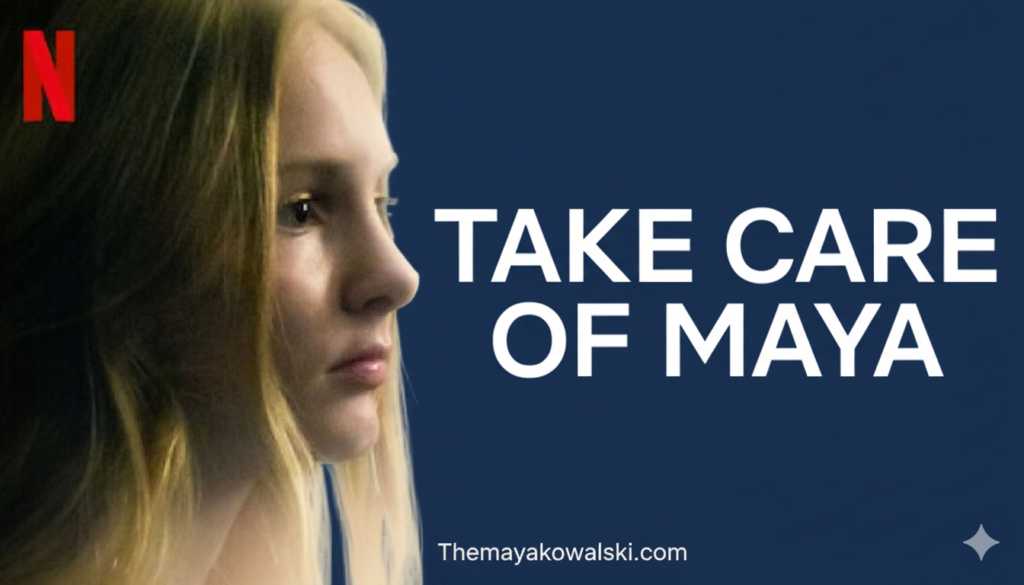
Maya Kowalski, born in 2006, was a happy, active child living with her family in Venice, Florida. Maya Kowalski age at the center of the controversy was just 10 years old when her life changed forever. She lived with her father, Jack Kowalski, her mother, Beata Kowalski, and her younger brother Kyle. Maya and Kyle Kowalski were typical siblings, enjoying normal childhood activities until a devastating illness struck.
Mya Kowalski (as some mistakenly spell her name) was known for her bright personality and love of cheerleading before her medical condition began. The Kowalski family was close-knit, with Beata Kowalski being particularly devoted to finding answers for her daughter’s mysterious and debilitating symptoms. Jack Kowalski, a retired firefighter, supported his family through what would become an unimaginable ordeal.
What Disease Did Maya Kowalski Have?
What did Maya Kowalski have? In early 2015, nine-year-old Maya began experiencing severe, unexplained symptoms that would eventually lead to a rare and controversial diagnosis. Maya Kowalski illness started with breathing problems, skin lesions, lower limb dystonia, and debilitating chronic pain that no doctor could initially explain.
What disease did Maya Kowalski have? After countless medical appointments and consultations, Dr. Anthony Kirkpatrick diagnosed Maya with advanced Complex Regional Pain Syndrome (CRPS). Maya CRPS diagnosis would become central to everything that followed.
Understanding Complex Regional Pain Syndrome (CRPS)
Take care of Maya disease refers to CRPS, a chronic pain condition that typically affects an arm or leg and usually develops after an injury, surgery, stroke, or heart attack. The pain is disproportionate to the severity of the initial injury.
| CRPS Quick Facts | Details |
|---|---|
| Full Name | Complex Regional Pain Syndrome |
| Type | Chronic pain disorder |
| Common Symptoms | Burning pain, swelling, skin color changes, temperature sensitivity |
| Typical Onset | After injury or trauma |
| Severity | Can range from mild to completely debilitating |
| Treatment | Physical therapy, medication, nerve blocks, ketamine therapy |
Maya Kowalski diagnosis of CRPS was considered severe. Her symptoms included:
- Extreme burning pain in her legs
- Inability to walk or stand without excruciating pain
- Skin discoloration and temperature changes
- Dystonia (involuntary muscle contractions)
- Severe sensitivity to touch
- Breathing difficulties related to pain levels
Dr. Kirkpatrick recommended a controversial but sometimes effective treatment: high-dose ketamine therapy. After low doses proved ineffective, he suggested a ketamine coma—a five-day medically induced coma with large amounts of ketamine. This treatment proved successful initially, significantly reducing the symptoms of Maya Kowalski disease. She was prescribed 1,000 mg of ketamine daily, which kept her pain manageable for about a year.
The Beata Kowalski Story
Maya Kowalski mother, Beata Kowalski, was a registered nurse originally from Poland. Beata Kowalski story is one of a devoted mother who became her daughter’s fiercest advocate—a role that would ultimately cost her life. Beata was determined to find effective treatment for Maya’s condition and worked tirelessly with doctors to manage her daughter’s care.
Beata’s medical background made her knowledgeable about treatments and confident in discussing them with healthcare providers. However, this same knowledge and advocacy would later be viewed with suspicion by hospital staff who questioned whether she was causing Maya’s symptoms—a condition known as Munchausen syndrome by proxy.
Complete Timeline: What Happened to Maya Kowalski
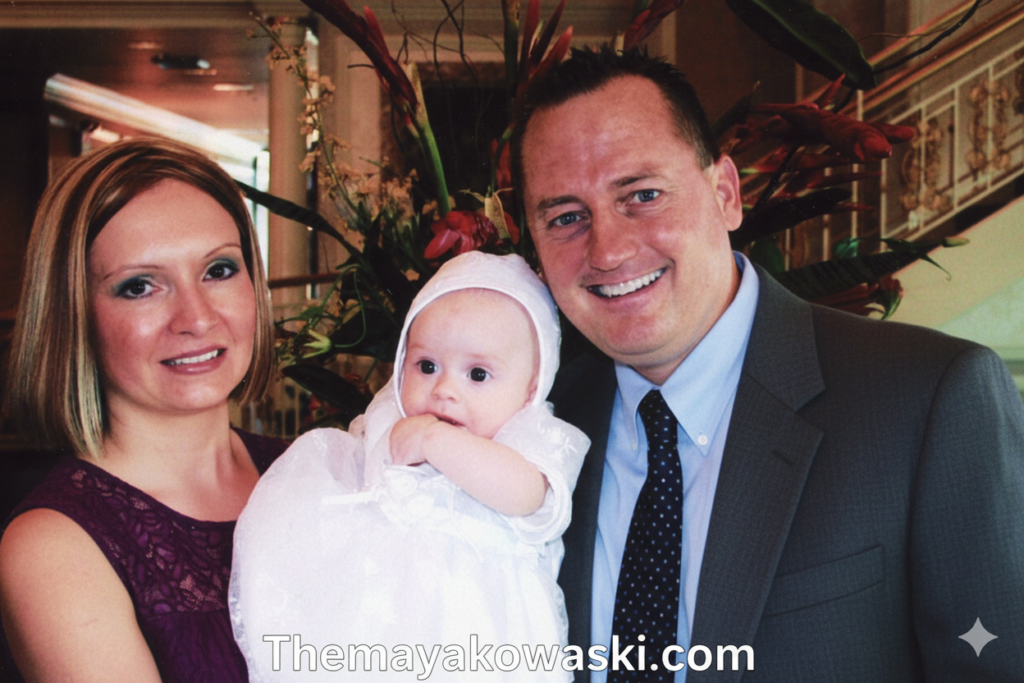
2015: The Beginning of Maya’s Medical Journey
January-March 2015: Nine-year-old Maya Kowalski begins experiencing mysterious symptoms including severe pain, breathing problems, and skin lesions. The Kowalski family visits multiple doctors seeking answers.
April-May 2015: After numerous consultations, Dr. Anthony Kirkpatrick finally diagnoses Maya with advanced Complex Regional Pain Syndrome (take care of Maya diagnosis). He recommends ketamine treatment.
June 2015: Maya undergoes her first ketamine coma treatment—a five-day medically induced coma with high-dose ketamine. The treatment is successful, significantly reducing her pain and symptoms.
July 2015-September 2016: Maya is prescribed 1,000 mg of ketamine daily. The treatment keeps her Maya Kowalski illness manageable, and she experiences significant improvement in her quality of life. The family enjoys relative normalcy during this period.
2016: The Hospital Custody That Changed Everything
October 7, 2016: What happened to Maya Kowalski on this date would change the family forever. Maya experiences a relapse of her CRPS symptoms. Her father, Jack Kowalski, rushes her to the emergency room at Johns Hopkins All Children’s Hospital in St. Petersburg, Florida.
October 7-8, 2016: Hospital staff at Hopkins hospital are unfamiliar with CRPS and concerned about the high doses of ketamine Maya has been receiving. When Beata Kowalski arrives at the hospital, emergency room physicians describe her as “belligerent,” “demanding,” and “controlling” regarding Maya’s treatment. These observations raise red flags.
October 9, 2016: Hospital staff contact child protective services on suspicion of Munchausen syndrome by proxy—believing Maya Kowalski mom might be causing or fabricating her daughter’s illness. Dr. Sally Smith, a child abuse pediatrician working for the Suncoast Center, interviews Maya and Jack Kowalski.
October 10, 2016: Dr. Smith concludes that Beata is abusing Maya. A nurse informs Jack Kowalski that Maya is now under state custody. He is ordered to leave the hospital immediately. This begins the 87-day separation that would have devastating consequences.
October 2016: The Kowalski family hires lawyer Debra Salisbury, who reveals that cases like theirs are alarmingly common. She discovers that children in Pinellas County are almost two and a half times more likely to be removed from their families compared to the Florida average. Dr. Smith, through the Suncoast Center, provides privatized child welfare services to the county.
October-December 2016: A judge issues a no-contact order between Beata Kowalski and Maya, though Jack Kowalski is allowed supervised visits. Hospital doctors ignore Dr. Kirkpatrick’s treatment plans, and without ketamine treatments, Maya’s condition deteriorates. Dr. Kirkpatrick warns that prolonged severe pain could be life-threatening for Maya.
November 2016: Beata Kowalski is finally allowed to call Maya under strict supervision of Cathi Bedy, a Suncoast social worker. Jack Kowalski researches Cathi Bedy (sometimes misspelled as Catherine Bedy) online and discovers she had previously been arrested for child abuse—an ironic and disturbing finding.
During one call, Maya cries for her mother and begs to go home. Cathi Bedy attempts to have Beata’s calling privileges revoked after this emotional call.
December 2016: Beata Kowalski undergoes several court hearings, but judges repeatedly side with John Hopkins Hospital and Dr. Sally Smith. During one hearing, Beata makes a heartbreaking request—just one hug with her daughter. The request is denied. The Sarasota County Sheriff’s Office opens an investigation into Beata for suspected child abuse.
2017: The Tragic Death of Beata Kowalski
January 7, 2017: After 87 days of separation from her daughter and facing potential criminal charges for child abuse, Beata Kowalski dies by suicide. She leaves behind notes expressing her anguish about being separated from Maya and the abuse accusations she faced. Maya Kowalski mother believed she was the impediment to her daughter’s freedom and that her death might allow Maya to return home.
Beata Kowalski story ended in unimaginable tragedy. Her death devastated the Kowalski family and raised urgent questions about whether the hospital and child protective services had acted appropriately.
January-February 2017: After Beata’s death, Maya is eventually released from hospital custody and returns home to Jack Kowalski and her brother Kyle. The family begins the long process of grieving and healing while Maya continues to struggle with her CRPS symptoms.
2017-2019: The Kowalski family lives quietly, processing their trauma. Maya receives ongoing treatment for CRPS while Jack Kowalski raises his two children alone. Behind the scenes, the family begins exploring legal options.
2018-2022: Investigation and Documentary
January 2019: Sarasota Herald-Tribune reporter Daphne Chen publishes an investigative article about the Kowalski family case after researching child welfare issues in Florida. Her article opens the floodgates—multiple parents come forward with similar stories of having their children taken by Johns Hopkins All Children’s Hospital based on reports from Dr. Sally Smith.
2019-2022: Documentary filmmakers begin working on “Take Care of Maya,” interviewing the Kowalski family and investigating what happened. Through legal discovery, it’s revealed that Johns Hopkins Maya Kowalski case involved the hospital charging the family’s insurance for 174 different CRPS services and treatments—all while maintaining that Maya was lying about her condition. This revelation would become crucial to the Johns Hopkins lawsuit Maya case.
2023: The Trial and Historic Verdict
June 10, 2023: “Take Care of Maya” documentary premieres at the Tribeca Film Festival, bringing international attention to the Maya Kowalski case.
June 19, 2023: Netflix releases “Taking Care of Maya” (also called “Take Care of Maya Netflix“) worldwide. The documentary goes viral, with millions watching Maya Kowalski story. The cast of Take Care of Maya includes the Kowalski family themselves, telling their story in their own words.
September 2023: The Kowalski trial begins in the Twelfth Judicial Circuit Court of Florida in Venice. Jack Kowalski—on behalf of himself, Maya, Kyle, and the estate of Beata—sues Johns Hopkins All Children’s Hospital for $220 million: $55 million in compensatory damages and $165 million in punitive damages.
The take care of Maya trial becomes one of the most watched court cases in recent history, with Court TV providing live coverage. The Maya trial includes emotional testimony from Maya Kowalski now a teenager, who describes her treatment at the hospital.
Key testimony from Maya trial:
- Maya testified about being verbally accosted by nurses
- She described being threatened when she couldn’t move during bed changes, despite explaining her physical limitations
- Jack Kowalski testified that hospital officials threatened him with arrest if he tried to remove Maya
- Medical experts debated Maya Kowalski diagnosis and treatment
- Evidence showed the hospital charged for CRPS treatments while denying Maya had the condition
November 9, 2023: After eight weeks of testimony and two days of deliberations, the jury reaches a verdict in favor of the Kowalski family. The Maya Kowalski verdict awards $261 million in total compensatory and punitive damages. The decision sends shockwaves through the medical and legal communities.
What did Maya Kowalski do to win? Her honest, emotional testimony about her experience was reportedly pivotal. The jury was moved by her description of the 87-day separation from her mother and the treatment she received at the hospital.
November-December 2023: Johns Hopkins All Children’s Hospital immediately announces plans to appeal. The Maya Kowalski settlement amount is later reduced when a judge grants a defense motion for remittitur, decreasing the award by $47.5 million to approximately $213 million. Even with the reduction, it remains one of the largest medical malpractice verdicts in Florida history.
2024: Appeals Process Begins
January 2024: The judge officially reduces the Maya Kowalski settlement to $213 million. The hospital hasn’t paid any amount yet due to the automatic stay pending appeal.
March-July 2024: “Take Care of Maya court case” continues making headlines as both sides file extensive appellate briefs. The hospital argues that:
- The damages were excessive
- Maya’s emotional testimony improperly inflamed the jury
- They should have immunity as mandatory reporters of suspected child abuse
- The trial court erred in its interpretation of Florida statutes
The Kowalski family legal team counters that:
- The hospital exceeded its duty to report and actively imprisoned Maya
- The damages reflect the severity of harm, including Beata Kowalski‘s death
- The hospital provided CRPS treatments while claiming Maya didn’t have the condition
- Cathi Bedy and others acted with malice
August 2024: The Florida Second District Court of Appeal hears oral arguments in the Kowalski vs Johns Hopkins case. Legal experts predict the outcome could take months.
September-December 2024: The take care of Maya update during this period focuses on waiting for the appeals court decision. Maya Kowalski age is now 18, and she’s attempting to move forward with her life while the legal battle continues.
2025: The Appeals Court Reversal
October 29, 2025: In a stunning development, the Florida Second District Court of Appeal reverses the $213 million judgment against Johns Hopkins All Children’s Hospital. The three-judge panel rules that:
- The trial court erred by not properly considering immunity protections for hospitals reporting suspected child abuse
- The statute provides immunity for “good faith reporting” and “good faith participation” in dependency proceedings
- Significant and inflammatory testimony about the dependency court restrictions should not have been allowed
- A new trial is necessary on the remaining claims
The appeals court doesn’t dismiss the case entirely but orders a retrial on specific claims:
- Intentional infliction of emotional distress on behalf of Maya
- False imprisonment
- Battery
- Medical negligence
Legal implications of the ruling: One judge wrote a concurring opinion emphasizing that, despite the reversal, the hospital’s actions toward Maya were “outrageous” and exploited their position of power over a vulnerable 10-year-old child.
October 30, 2025: Reaction to the appeals court decision is swift and emotional:
The Kowalski family attorney, Nick Whitne, states: “We’re disappointed by the appeals court’s decision. But the Kowalskis will persevere. The next jury will see things just like the first one did. Johns Hopkins was in charge of caring for and treating Maya. Instead, they exploited their position with full knowledge that Maya, a 10-year-old child, would not be able to endure such outrageous conduct.'”
Johns Hopkins attorney Ethen Shapiro responds: “This opinion sends a clear and vital message to mandatory reporters in Florida and across the country that their duty to report suspicions of child abuse and their good faith participation in child protection activities remain protected. We look forward to vigorously defending our doctors, nurses, and staff in a fair trial.”
November-December 2025: What happened to the Kowalski family in the wake of the reversal? The family faces the prospect of reliving their trauma in another trial. Maya Kowalski now must prepare to testify again. The case that many thought was settled returns to square one.
2026: Current Status and What’s Happening Now
January 2026: As we enter the new year, what happened to Maya is that she’s facing another trial. The Kowalski case continues to generate national interest, with supporters organizing under hashtags like #JusticeForMaya.
Maya Kowalski age is now 19 years old. How old is Maya Kowalski exactly? She’ll turn 20 later in 2026. Despite the ongoing legal battle, she’s attempting to live a normal young adult life.
Current status of the Kowalski family:
- Jack Kowalski continues advocating for his daughter and son
- Maya and Kyle Kowalski are both young adults now
- The family is preparing for a second trial, expected to begin in late 2026 or early 2027
- They continue receiving public support from people who watched “Taking care of Maya.“
Maya Kowalski net worth is not publicly disclosed, though the family has received donations from supporters. The Maya Kowalski settlement amount from the original verdict was never paid due to the appeal.
What happened with Maya Kowalski health? She continues managing her CRPS with various treatments. New treatments for CRPS have emerged since her original diagnosis, and she’s reportedly finding better pain management strategies.
The Netflix Impact: How “Take Care of Maya” Changed Everything
The Netflix documentary “Take Care of Maya,” released in June 2023, transformed the Maya Kowalski case from a local Florida legal battle into an international phenomenon. Directed by Henry Roosevelt and produced by Story Syndicate, the film premiered at the Tribeca Film Festival before streaming worldwide on Take Care of Maya Netflix.
Documentary Success and Reception
The Maya documentary achieved remarkable success:
| Metric | Achievement |
|---|---|
| Rotten Tomatoes Score | 92% (13 critics) |
| Metacritic Score | 64/100 (generally favorable) |
| Emmy Nominations | 2 (Outstanding Direction, Outstanding Research) |
| Viewership | Millions worldwide (exact numbers not disclosed) |
| Cultural Impact | Sparked nationwide debate on medical custody |
Critics praised the emotional power of Maya Kowalski story summary but noted the documentary favored the family’s perspective. Some reviewers wanted more exploration of the systemic issues behind privatized child welfare companies in Florida.
Real-World Impact
The documentary’s release had immediate effects:
- Public Opinion: Overwhelmingly sided with the Kowalski family, with social media campaigns demanding justice for Maya
- Jury Pool: The documentary’s release just months before the September 2023 trial raised questions about whether jurors could remain impartial after watching “Saving Maya” (an alternate title some used)
- Medical Community Response: Sparked discussions about how hospitals handle complex pediatric pain cases and parental advocacy
- Legislative Interest: Florida lawmakers began examining child protective services practices, particularly in Pinellas County
- Similar Cases: Other families came forward with stories of medical custody battles, inspired by the Kowalski family‘s courage
Criticism and Controversy
Not everyone viewed the documentary favorably:
- Hospital defenders argued it was one-sided and didn’t adequately present their duty to report suspected abuse
- Some medical professionals worried it would discourage appropriate reporting of child abuse
- Critics noted it relied heavily on emotional appeals rather than balanced analysis
- The timing of its release before the trial raised ethical questions
Nonetheless, “Take care of Maya” became one of Netflix’s most talked-about documentaries of 2023, keeping what happened to Maya Kowalski in the public conversation.
Legal Analysis: Understanding the Verdicts
The Original 2023 Verdict
The Maya Kowalski verdict in November 2023 represented one of the largest medical malpractice awards in Florida history. Here’s how the jury broke down their decision:
| Claim Type | Finding | Original Award |
|---|---|---|
| False Imprisonment | Liable | $55 million (compensatory) |
| Battery | Liable | Included in compensatory |
| Medical Negligence | Liable | Included in compensatory |
| Intentional Infliction of Emotional Distress | Liable | Included in compensatory |
| Punitive Damages | Awarded | $206 million |
| Total Original Award | — | $261 million |
| After Remittitur | Reduced | $213 million |
The jury found Johns Hopkins All Children’s Hospital liable on multiple counts:
False Imprisonment: The jury determined that Maya Kowalski was unlawfully held at the hospital beyond what was medically necessary. While the hospital argued they were following dependency court orders, the jury found they actively sought and maintained custody improperly.
Battery: Medical procedures and treatments performed without proper consent or against the patient’s will constituted battery. What did Maya Kowalski do to resist? Testimony showed she consistently asked to go home and objected to treatments.
Medical Negligence: The hospital’s refusal to follow Dr. Kirkpatrick’s established treatment plan and their simultaneous billing for CRPS treatments while denying Maya had the condition demonstrated medical negligence.
Intentional Infliction of Emotional Distress: The jury found the hospital’s actions—particularly the prolonged separation from Beata and the manner in which staff treated Maya—were so outrageous that they intentionally or recklessly caused severe emotional distress.
The 2025 Appeals Court Decision
The October 2025 reversal focused on a critical legal question: What protection do hospitals have when reporting suspected child abuse?
The three-judge panel ruled that Florida Statute 39.203 provides immunity to mandatory reporters not just for making the report, but for their “good faith participation” in the resulting dependency proceedings. The trial court, they argued, didn’t properly apply this immunity.
Key points from the appeals ruling:
- Immunity Scope: The statute protects hospitals not just for reporting abuse, but for participating in court-ordered custody arrangements
- Good Faith Standard: Unless the Kowalskis could prove the hospital acted in bad faith, immunity should apply
- Inflammatory Testimony: The court found that Maya’s testimony about the emotional impact of separation, while powerful, was “inflammatory” because it related to dependency court orders, not direct hospital actions
- Structural Error: The mistakes in applying immunity “pervaded the trial,” requiring a complete retrial rather than just adjusting damages
Judge Smith’s Concurring Opinion: Notably, Judge Smith wrote separately to emphasize that even with the reversal, the hospital’s conduct was “outrageous.” The judge noted that Johns Hopkins was “in charge of caring for and treating Maya” but “exploited their position with full knowledge that Maya, a 10-year-old child, would not be able to endure such outrageous conduct.”
Implications for the Retrial
What happened to Maya Kowalski case legally? It now faces a second trial with specific parameters:
Claims that can be retried:
- Intentional infliction of emotional distress (Maya only)
- False imprisonment (to the extent it doesn’t relate to court-ordered custody)
- Battery (specific medical procedures without consent)
- Medical negligence (treatment decisions)
Claims that were dismissed:
- Any claims based purely on the act of reporting to child protective services
- Claims based on implementing dependency court orders
- Some emotional distress claims related to court-ordered separation
Challenges for the Kowalski family:
- Proving the hospital acted in “bad faith” rather than good faith
- Separating harm caused by hospital actions vs. court orders
- Reliving trauma through another trial
- Maya Kowalski now must testify again
- Legal costs of another lengthy trial
Challenges for Johns Hopkins:
- The appeals court acknowledged their conduct was “outrageous.”
- Public opinion remains strongly against them
- Evidence of billing for CRPS treatments while denying the diagnosis
- The powerful impact of Maya’s testimony if she testifies again
Broader Legal Impact
The Kowalski case has already influenced legal and medical practices:
For Hospitals:
- More careful documentation when reporting suspected abuse
- Clearer protocols for handling parental advocacy vs. suspected Munchausen syndrome by proxy
- Awareness that immunity has limits and requires genuine good faith
For Child Protective Services:
- Increased scrutiny of privatized child welfare services like the Suncoast Center
- Questions about Dr. Sally Smith’s pattern of removing children
- Calls for reform in how medical abuse allegations are investigated
For Families:
- Greater awareness of parental rights in medical settings
- Documentation of all interactions with medical providers
- Knowledge that “medical kidnapping” can happen to anyone
For the Legal System:
- Clarification of immunity statutes for mandatory reporters
- Questions about appropriate damages in medical custody cases
- Examination of how dependency courts interact with hospitals
What’s Next: The Road Ahead for Maya Kowalski
As we move through 2026, what happened to the Kowalski family continues to evolve. Here’s what lies ahead:
The Second Trial
A new trial is expected to begin in late 2026 or early 2027. The Kowalski trial will focus on:
Proving Bad Faith: The family must demonstrate that Johns Hopkins All Children’s Hospital didn’t act in good faith when reporting abuse or participating in Maya’s custody. This is a higher legal bar than the original trial.
Limited Claims: Only intentional infliction of emotional distress, false imprisonment (in specific contexts), battery, and medical negligence remain. This narrower focus might work in the family’s favor by concentrating on the hospital’s direct actions.
Maya’s Testimony: Now 19-20 years old, Maya Kowalski age means she’ll testify as an adult about childhood trauma. Her maturity and additional years of perspective could make her testimony even more powerful—or it could be argued that time has faded memories.
New Evidence: Both sides will likely present additional expert testimony. New treatments for CRPS and evolving medical understanding of the condition could play a role.
Potential Outcomes
Several scenarios could unfold:
Scenario 1: Second Jury Verdict for the Kowalskis If the family wins again, the award might be smaller due to limited claims, but it would vindicate their story twice. Johns Hopkins would likely appeal again, potentially taking the case to the Florida Supreme Court.
Scenario 2: Defense Verdict. If Johns Hopkins wins, it would end the legal battle but wouldn’t erase the court of public opinion verdict. The hospital would likely use this to argue they were right all along.
Scenario 3: Settlement. The most likely outcome might be a confidential settlement. Both sides face risks in another trial. A settlement would end the litigation but potentially leave questions unanswered. Any Maya Kowalski settlement amount would likely remain confidential.
Scenario 4: Mixed Verdict The jury could find for the Kowalskis on some claims (like intentional infliction of emotional distress) but not others (like false imprisonment), resulting in a modest award.
Maya’s Personal Journey
Beyond the legal battle, Maya Kowalski is now navigating young adulthood with unique challenges:
Health Management: Continuing to manage CRPS symptoms and find effective treatments. New treatments for CRPS include advanced nerve blocks, spinal cord stimulation, and experimental therapies that weren’t available when she was first diagnosed.
Trauma Recovery: Working through the psychological impact of her hospital experience and her mother’s death. Maya has spoken about the importance of therapy and support systems.
Public Life: Balancing privacy with being a public figure after the Netflix documentary. Many people recognize her story and want to show support, but this attention can be overwhelming.
Advocacy: Some expect Maya Kowalski might become an advocate for medical freedom and parental rights, though she’s stated she wants to focus on healing first.
Normal Life: Like any young adult, Maya wants normal experiences—relationships, possibly college, career aspirations. The ongoing trial makes this challenging.
Systemic Changes
What happened to Maya Kowalski has sparked real change:
Florida Legislation: Lawmakers are examining child protective services practices, particularly the use of private contractors like the Suncoast Center. Proposed reforms include:
- Greater oversight of doctors who frequently remove children from families
- Requirements for second opinions before taking custody
- Stricter standards for proving medical abuse
- Parental rights protections
Hospital Policies: Many hospitals are revising their protocols for:
- Handling disputes with parents
- Reporting suspected medical abuse
- Documenting good faith efforts
- Balancing mandatory reporting with family preservation
CRPS Awareness: The case brought attention to this rare condition. Take care of Maya disease education has increased, helping other families get proper diagnosis and treatment earlier.
Medical Kidnapping Discussion: The case legitimized conversations about whether child protective services sometimes overreach. The term “medical kidnapping” was once dismissed as a conspiracy theory; now it’s part of mainstream discussion.
Support for Maya
Public support for Justice for Maya remains strong:
- Online communities continue following the case
- Fundraising efforts help with legal costs
- CRPS awareness campaigns honor Beata Kowalski‘s advocacy
- Other families share similar stories, creating a movement
Frequently Asked Questions
What happened to Maya Kowalski?
Maya Kowalski was taken into state custody by Johns Hopkins All Children’s Hospital in 2016 when she was 10 years old. The hospital suspected her mother of medical abuse. Maya was separated from her family for 87 days, during which her mother, Beata Kowalski died by suicide. The family later won a $213 million verdict against the hospital, which was overturned on appeal in 2025. A new trial is pending.
How old is Maya Kowalski now?
Maya Kowalski age in 2026 is 19-20 years old. She was born in 2006 and was 10 when the hospital custody incident occurred in 2016.
What disease does Maya Kowalski have?
Maya Kowalski diagnosis is Complex Regional Pain Syndrome (CRPS), a chronic pain condition affecting her legs. She was diagnosed in 2015 and treated with high-dose ketamine therapy, which was effective before the hospital custody incident interrupted her treatment.
What happened to Maya Kowalski’s mother?
Beata Kowalski, Maya’s mother, died by suicide on January 7, 2017, after being separated from her daughter for 87 days and facing potential criminal charges for suspected medical abuse. She believed her death might allow Maya to return home.
Did Maya Kowalski win her lawsuit?
Yes and no. The Kowalski family won a $213 million verdict in November 2023, but it was overturned on appeal in October 2025. The case will be retried, likely in late 2026 or early 2027.
What is Take Care of Maya about?
“Take Care of Maya” is a 2023 Netflix documentary telling Maya Kowalski story. It documents how she was taken into hospital custody, her mother’s suicide, and the family’s legal battle against Johns Hopkins All Children’s Hospital.
Where is Maya Kowalski now?
Maya Kowalski now lives with her father Jack Kowalski and brother Kyle in Florida. She’s a young adult managing her CRPS condition and preparing for a second trial against the hospital.
What is the Kowalski family doing now?
The Kowalski family is preparing for a retrial against Johns Hopkins All Children’s Hospital. They continue advocating for medical freedom and parental rights while trying to maintain as normal a life as possible given the ongoing legal proceedings.
Conclusion
What happened to Maya Kowalski is still unfolding. From a happy child with a devastating diagnosis to the center of a landmark legal battle, Maya’s story has touched millions. The Kowalski case represents more than one family’s tragedy—it’s a wake-up call about the balance between protecting children and preserving families, about medical authority and parental rights, about bureaucratic systems and individual lives.
As the Kowalski family faces another trial in 2026-2027, one thing is clear: Beata Kowalski‘s fight for her daughter continues through Jack, Maya, and Kyle. Their perseverance in the face of unimaginable loss has sparked important conversations about how we treat families navigating complex medical conditions. Whether justice for Maya is ultimately achieved in a courtroom remains to be seen, but her story has already changed how many people view medical custody, child protective services, and the power dynamics between families and institutions.
The case reminds us that behind every legal battle are real people—a young woman managing chronic pain, a family grieving a mother and wife, and a system that must constantly examine whether it’s truly serving the children it claims to protect.